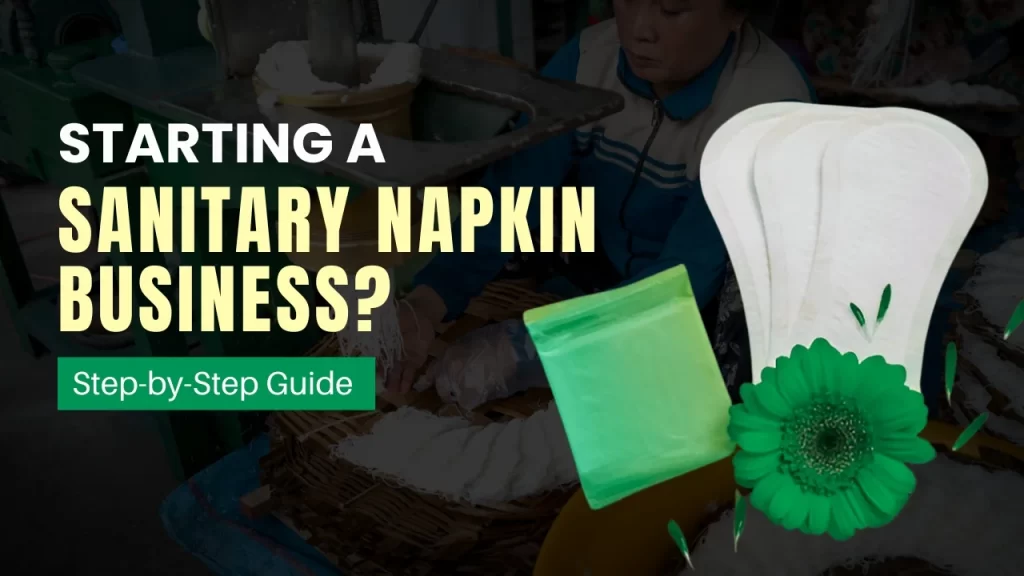
In recent years, the Sanitary Napkin Business has gained significant momentum in India. With rising awareness about menstrual hygiene, increased government support, and a shift in consumer attitudes, this segment of the feminine hygiene market offers immense potential. For entrepreneurs looking to create a positive impact while building a profitable venture, stepping into the Indian sanitary napkin market can be a smart choice.
Buy Wholesale Products for B2B Business
This guide offers a comprehensive overview of how to start your own Sanitary Napkin Business, including essential steps, market insights, and practical tips to ensure success.
Why Sanitary Napkin Business Is a Growing Opportunity in India
The Indian sanitary napkin market is expanding rapidly due to several key drivers:
- Growing awareness around menstrual health and hygiene
- Government campaigns like Beti Bachao, Beti Padhao and Menstrual Hygiene Scheme
- Rising female population and urbanization
- Acceptance of sanitary products in rural areas
According to industry reports, the Indian sanitary napkin market is expected to grow at a CAGR of over 14% in the coming years. Yet, millions of women still lack access to reliable and comfortable sanitary napkin options, making this a vital and viable sector to enter.
Step 1: Conduct Market Research
Before starting any business, it’s essential to understand:
- Target Demographics: Urban vs. rural consumers, income levels, education
- Consumer Preferences: Quality sanitary napkin options, affordability, eco-friendliness
- Competitor Analysis: What are existing players offering?
- Distribution Channels: Online, retail stores, healthcare institutions
By understanding what consumers want – whether it’s the best period napkin or a sanitary napkin for heavy flow – you can tailor your product accordingly.
Step 2: Choose Your Business Model
There are several ways to enter the Sanitary Napkin Business:
- Manufacturing Unit: Full control over quality and branding
- White Labeling: Purchase from manufacturers and sell under your brand
- Distribution: Work as Sanitary Napkins Distributors & Dealers
- Retail or Online Store: Curate a range of products for direct consumers
Each model has its pros and cons. Manufacturing offers maximum profits but requires higher investment, while distribution and retail involve lower risk but smaller margins.
Step 3: Understand the Manufacturing Process
The manufacturing of sanitary napkin involves:
- Core material (SAP and fluff pulp)
- Top sheet (non-woven fabric)
- Bottom layer (PE film)
- Adhesive and release paper
- Packaging unit
You can choose between semi-automatic or fully automatic machines depending on your budget. It’s also crucial to ensure the napkins are reliable and comfortable sanitary napkin options for users.
At this stage, also decide if you want to produce sanitary napkin for heavy flow, organic options, or basic economic versions.
Step 4: Get Necessary Licenses & Certifications
To legally operate your business, secure the following:
- Company registration (Private Limited / LLP / Proprietorship)
- GST Registration
- Factory license (if manufacturing)
- ISO certification (optional but builds trust)
- BIS Certification (especially for pads to be sold in government tenders)
Certifications are important not just for compliance, but also for establishing product credibility in a competitive Indian sanitary napkin market.
Step 5: Source Raw Materials & Machinery
You will need reliable suppliers for:
- Non-woven fabric
- Super absorbent polymers
- Hot melt adhesives
- Packaging material
Choose vendors who specialize in quality sanitary napkin materials. For machinery, choose based on output capacity, automation, and after-sales support.
Also, consider eco-friendly options – biodegradable films, bamboo fibers, and organic cotton, which are increasingly popular in the best period napkin segment.
Step 6: Branding & Packaging
A strong brand can make all the difference. Keep these in mind:
- Name & Logo: Should resonate with women
- Design: Elegant, clean, and feminine
- USP: Highlight your key feature – Is it organic? Rash-free? Budget-friendly?
Make sure your packaging reflects a reliable and comfortable sanitary napkin brand image. Transparent ingredient listing and hygiene information also help build trust.
Step 7: Pricing Strategy
Pricing will depend on your target market:
- Premium segment: Organic or ultra-thin napkins
- Mid-range: Best value for urban and semi-urban consumers
- Economical range: Bulk packs for rural wholesale distribution
Also, consider government contracts or NGO tie-ups for low-cost menstrual products.
Step 8: Marketing & Distribution
Now comes the real challenge—creating awareness and reaching customers:
- Online: Build a D2C website, use social media, influencer marketing
- Retail: Approach local pharmacies, supermarkets, beauty stores
- Institutional Sales: Schools, NGOs, government schemes
- Distributors: Partner with Sanitary Napkins Distributors & Dealers
Having a strong oral care procedure in your marketing—where hygiene, product safety, and quality are emphasized—can increase credibility and adoption.
Step 9: Build Your Sales Network
Creating a robust supply chain is critical. Connect with:
- Sanitary Napkin Wholesalers
- Sanitary Napkins Distributors & Dealers
- Medical representatives for institutional tie-ups
- Local retailers and rural women-led self-help groups
Offer high-margin opportunities to your Sanitary Napkin Wholesalers and regional partners to ensure faster penetration in different states.
Step 10: After-Sales Support & Feedback
Post-sale support can drive loyalty and brand trust. Implement:
- Customer helpline or WhatsApp support
- Educational campaigns about menstrual napkin usage
- Surveys to improve product features and comfort
- Subscription services for recurring orders
These efforts will create a loyal customer base and long-term growth.
What Akshay Enterprises Offers
If you’re planning to enter the Sanitary Napkin Business, It offers complete third-party manufacturing services. From sourcing premium raw materials to producing quality sanitary napkin ranges and helping with packaging and branding – they ensure reliable support for startups and growing brands alike.
Common Concerns About Sanitary Napkin Business
Let’s address some Common Concerns about Sanitary Napkin Business:
1. Is it expensive to start?
Initial investment can range from ₹10 lakhs to ₹50 lakhs depending on automation level and production scale.
2. How do I compete with big brands?
Focus on niche markets, offer better affordability or organic ingredients, and market strongly.
3. What about government regulations?
Compliance is necessary, but India supports hygiene businesses through subsidies and MSME schemes.
These Common Concerns about Sanitary Napkin Business are valid but manageable with planning and support.
FAQs
1. What is the minimum investment required to start a Sanitary Napkin Business?
The cost varies depending on scale but can start from ₹10–15 lakhs for a small unit with semi-automatic machines.
2. Is government support available for this business?
Yes, under MSME schemes and Menstrual Hygiene initiatives, the government offers subsidies and training support.
3. How do I find Sanitary Napkin Wholesalers or dealers?
Attend B2B expos, connect via online directories, or approach pharmacies and local distributors directly.
4. What are some tips to create a reliable and comfortable sanitary napkin?
Use skin-friendly materials, maintain hygiene during manufacturing of sanitary napkin, and test for absorbency and breathability.
5. Can I sell online?
Yes, through your own D2C website, Amazon, Flipkart, or platforms catering to wellness and hygiene products.
Entering the Sanitary Napkin Business is more than a financial opportunity—it’s a chance to transform women’s lives by promoting menstrual health and hygiene. As the Indian sanitary napkin market continues to evolve, new players with innovative, sustainable, and affordable solutions can carve a meaningful niche.
Whether you’re planning full-scale manufacturing of sanitary napkin, or simply want to explore the best period napkin category through third-party production, this business offers high demand, strong margins, and a deeply impactful purpose.
With the right knowledge, a solid product strategy, and trusted partners like Akshay Enterprises, you can confidently take your first step into this promising space.
Bio magnetic products required me