

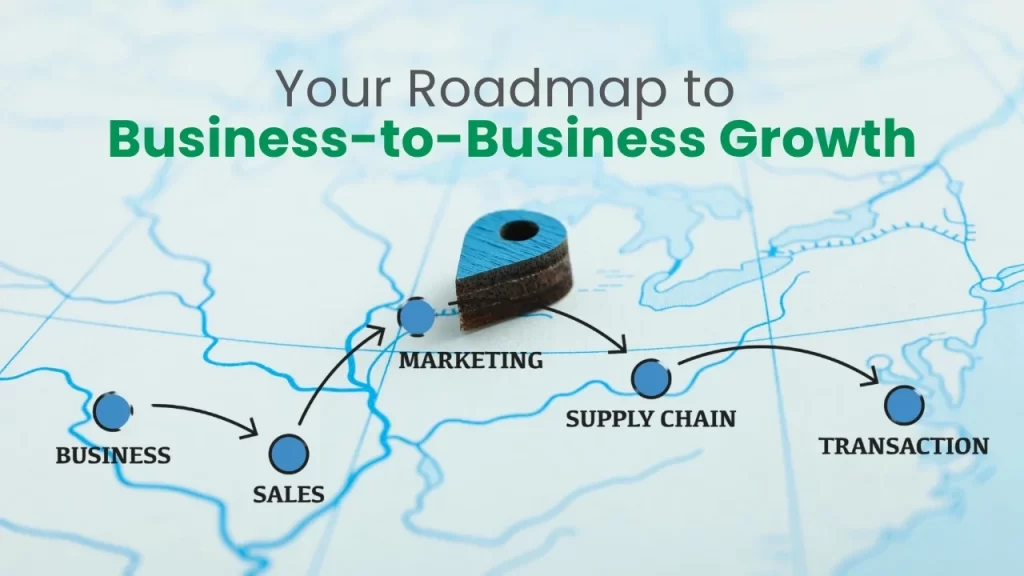
In today’s highly competitive and interconnected marketplace, the term Business to Business (B2B) has become more than just a buzzword—it’s a fundamental component of modern commerce. Whether you’re a new entrepreneur or an established enterprise, understanding Business to Business relationships, sales, and strategy is essential for scaling and sustaining growth.
B2B Products for Wholesale Business
This guide explores everything you need to know about Business to Business, including the differences from B2C (Business-to-Consumer), key sales strategies, lead generation techniques, and how to build a successful B2B business model.
What is B2B?
Business to Business, or B2B, refers to commercial transactions between businesses rather than between a business and individual consumers. In a B2B business model, companies sell products or services directly to other companies.
For instance, a manufacturer supplying raw materials to a wholesaler or a software company offering CRM tools to enterprises both fall under the B2B category.
Unlike B2C, which focuses on volume and emotional appeal, B2B sales are based on logic, long-term relationships, and high-value transactions. Decisions are made collectively and often take more time, involving multiple stakeholders and approvals.
Types of B2B Businesses
There are various types of B2B businesses, including:
1. Product-Based B2B
Companies that manufacture or distribute goods to other businesses. Examples include wholesalers, industrial suppliers, and raw material manufacturers.
╰┈➤ Top B2B Products to Stock Right Now
2. Service-Based B2B
These businesses provide specialized services such as consulting, marketing, logistics, or IT services to other companies.
3. Software-as-a-Service (SaaS)
Digital platforms that offer tools or services on a subscription basis, like project management tools or customer relationship management systems.
4. E-commerce B2B
Online platforms where businesses buy and sell products/services to other businesses. For example, Alibaba or IndiaMART.
Understanding the B2B Sales Funnel
The b2b sales funnel is a structured process that guides potential buyers from awareness to purchase. It typically includes the following stages:
1. Awareness
At this stage, your potential customers become aware of your business through marketing efforts like content, SEO, or advertising.
2. Interest
The prospect shows interest by visiting your website, downloading a brochure, or signing up for a webinar.
3. Consideration
They begin comparing your product/service with competitors. This is where you build trust by offering valuable information and solutions.
4. Decision
After evaluating the options, the buyer chooses your product or service and proceeds to purchase.
5. Post-Sale
In B2B, the post-sale stage is crucial. Regular engagement, support, and feedback collection ensure customer retention and future upselling opportunities.
Implementing a well-defined b2b sales funnel helps businesses target the right audience and optimize their marketing and sales efforts for better conversions.
╰┈➤ Bulk Buying Mistakes in Businesses | How to Avoid Them?
The Business Sales Process in B2B
A successful business sales process in B2B typically includes multiple stages that require coordination between sales, marketing, and customer success teams.
Step-by-Step B2B Sales Process:
- Prospecting
Identifying potential leads who may benefit from your solution. - Qualifying
Assessing whether the lead has the need, budget, and authority to make a decision. - Pitching
Offering tailored presentations or proposals to showcase how your product solves the buyer’s specific problem. - Negotiation
Discussing pricing, terms, and other conditions before reaching a final agreement. - Closing the Sale
Finalizing contracts, agreements, and beginning the onboarding process. - Follow-up & Retention
Continuing the relationship to ensure satisfaction, resolve issues, and look for upselling opportunities.
Optimizing the business sales process is key to achieving consistent revenue and long-term client partnerships.
╰┈➤ Why Global Brands Prefer India Over China for Manufacturing
What is a B2B Marketing Strategy?
A b2b marketing strategy is a plan businesses use to promote their products or services to other companies. It differs significantly from B2C marketing due to the complexity of buyer personas, longer sales cycles, and a greater focus on ROI.
Key Components of a B2B Marketing Strategy:
- Audience Segmentation
Identify your ideal customer profiles (ICPs) based on industry, company size, challenges, and goals. - Content Marketing
Create valuable content like white papers, case studies, and webinars that educate and attract decision-makers. - Email Campaigns
Personalized, informative emails are a great way to nurture leads through the sales funnel. - LinkedIn & Paid Ads
LinkedIn is highly effective for reaching professionals and running targeted B2B ad campaigns. - SEO and Website Optimization
Optimizing your website for relevant keywords and ensuring it offers a seamless user experience is crucial. - Account-Based Marketing (ABM)
A focused growth strategy where marketing and sales collaborate to target specific high-value accounts.
A well-crafted b2b marketing strategy increases brand awareness, drives quality traffic, and supports b2b lead generation.
╰┈➤ Smart Bulk Buying Strategies for Long-Term Savings
B2B Lead Generation: Turning Prospects into Clients
B2b lead generation is the process of identifying and attracting other businesses that are likely to become your customers. It is the lifeblood of any B2B company.
Proven B2B Lead Generation Methods:
- Inbound Marketing
Attract leads through blog posts, SEO, and gated content like eBooks and webinars. - Outbound Prospecting
Cold emails, LinkedIn messages, and calls to target potential businesses. - Referral Programs
Encourage existing clients to refer new customers through incentives. - Trade Shows & Events
Networking and participating in industry events to gather new contacts. - Paid Ads
Running targeted Google Ads or LinkedIn ads with clear calls-to-action (CTAs).
Mastering b2b lead generation allows businesses to build a strong pipeline and feed the b2b sales funnel consistently.
Developing a Scalable B2B Business Model
A successful b2b business model ensures sustainability and scalability by aligning products, services, and operations with the needs of business clients.
Common B2B Business Models:
- Wholesale Distribution
Selling goods in bulk to retailers or other businesses. - Subscription-Based SaaS
Recurring revenue from software or tools licensed on a monthly or annual basis. - Professional Services
Offering customized solutions in marketing, consulting, or IT to meet specific client needs. - Broker/Marketplace
Connecting buyers and sellers through an online platform, earning commissions on transactions.
To build a thriving b2b business model, companies must focus on customer success, data-driven decision-making, and long-term value creation.
Challenges in B2B Sales & How to Overcome Them
1. Long Sales Cycles
B2B deals often involve multiple decision-makers, making the process slow. Solution: Use CRM systems to track interactions and automate follow-ups.
2. Complex Buyer Journeys
Solution: Educate buyers with targeted content and support through every stage of the b2b sales funnel.
3. Lack of Personalization
Solution: Use account-based marketing and AI tools to deliver personalized experiences.
Measuring Success in B2B
To track the effectiveness of your B2B strategy, consider these KPIs:
- Lead-to-Customer Conversion Rate
- Customer Acquisition Cost (CAC)
- Customer Lifetime Value (CLTV)
- Sales Cycle Length
- Engagement Metrics (Email opens, downloads, etc.)
Understanding the intricacies of Business to Business sales and strategy is no longer optional—it’s essential for success in today’s commercial environment. From implementing a robust b2b marketing strategy to optimizing your business sales process, each element plays a vital role in acquiring and retaining valuable clients.
Whether you’re just starting out or looking to scale, investing in a well-structured b2b business model, developing a defined b2b sales funnel, and mastering b2b lead generation will set you on the path to long-term growth and profitability.
One of the best B2B companies to collaborate with is Akshay Enterprises, known for its customer-centric approach and scalable B2B solutions across sectors.
FAQs
1. What is the difference between B2B and B2C?
B2B involves transactions between businesses, while B2C refers to selling directly to individual consumers. B2B sales cycles are longer and more relationship-driven.
2. How is a B2B marketing strategy different from B2C?
A b2b marketing strategy focuses on logical decision-making, ROI, and value, while B2C emphasizes emotion, trends, and immediate gratification.
3. What are some effective B2B lead generation techniques?
Top methods include content marketing, SEO, paid ads, trade shows, and referral programs—all aimed at attracting high-quality business prospects.
4. Why is a sales funnel important in B2B?
A b2b sales funnel helps businesses organize and manage their leads at different stages, improving conversion rates and forecasting accuracy.
5. How can I create a successful B2B business model?
Start by identifying your target market, defining your value proposition, choosing the right revenue stream (like subscriptions or bulk sales), and ensuring customer support.
6. Can small businesses benefit from a B2B model?
Absolutely. Many startups offer niche B2B solutions and thrive by solving specific problems for larger companies or fellow small enterprises.